
%402x%20DARK.svg)

%402x%20(2).svg)
When Back Strain Hits Hard
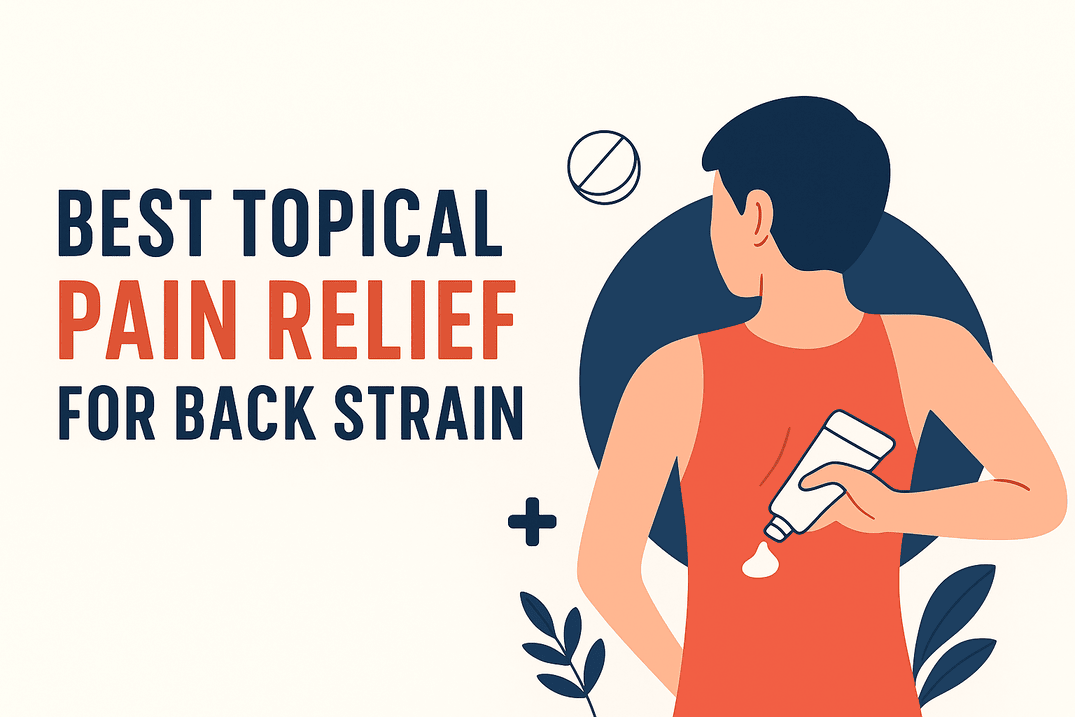
Back pain can stop your day in its tracks. Whether it’s lifting something heavy, sitting too long, or pushing too hard at the gym, a muscle strain in the back is one of the most common reasons people need quick pain relief. The good news? You don’t always need pills or days off. The right topical pain relief can make a big difference in how fast you recover and get moving again.
This post breaks down what topical pain relief really means, how it helps, and what to look for when choosing the best option for back strain treatment.
What Is a Muscle Strain in the Back?
A back strain happens when the muscles or tendons that support your spine get overstretched or torn. It can come from a sudden movement, bad posture, or repetitive stress. The pain can be sharp or dull, and you might feel tightness, spasms, or even trouble bending or twisting.
Most back strains are minor, but they can still feel awful. The first step is understanding the cause and giving your body what it needs to heal—rest, gentle movement, and the right pain relief.
Why Topical Pain Relief Works
Topical pain relief products work directly where you apply them—no need to go through your stomach like pills do. That means fewer side effects and faster action where it hurts.
They usually come in creams, gels, sprays, or patches. When rubbed or sprayed on the sore area, they help calm inflammation, reduce pain signals, and sometimes even improve blood flow to help the muscle heal.
Common ingredients you’ll find include:
- Menthol – provides a cooling effect that distracts from pain.
- Camphor – helps relieve soreness and stiffness.
- Capsaicin – from chili peppers, it reduces pain signals over time.
- Lidocaine – numbs the area temporarily for quick relief.
- NSAID creams – contain anti-inflammatory medication like diclofenac.
Best Topical Pain Relief Options for Back Strain
When you’re dealing with back pain, you want something that works quickly, lasts long, and doesn’t leave a greasy mess on your skin or clothes. Here are some common and effective choices:
- Menthol-based gels (like Biofreeze or Icy Hot)
- Great for muscle soreness and tightness.
- Cooling effect makes it easier to move again.
- Works well before or after physical activity.
- Capsaicin creams
- Good for ongoing or chronic pain.
- Takes a few days to build full effect, but can reduce long-term discomfort.
- Apply carefully – it can sting if used too much or near sensitive skin.
- Lidocaine patches or creams
- Excellent for sharp, localized pain.
- Provides numbing relief for a few hours.
- Ideal if your back strain is concentrated in one small area.
- NSAID gels (like Voltaren)
- Best for inflammation-based pain.
- Targets deeper muscle soreness.
- Works well after sports injuries or overuse.
How to Use Topical Pain Relief the Right Way
You’d be surprised how many people misuse topical creams. To get the best results:
- Clean the area first. Dirt or sweat can block absorption.
- Use only a thin layer. More doesn’t mean better—just more sticky skin.
- Wash your hands after applying. Especially if the product has menthol or capsaicin.
- Don’t mix multiple products. They can irritate the skin or cancel each other out.
- Use consistently. For some ingredients like capsaicin, results improve with regular use.
Also, don’t apply right before heavy sweating or showering—it’ll just wash off and waste product.
When to See a Doctor
Topical treatments are great for mild to moderate muscle strains, but sometimes the pain is a sign of something more serious. You should get checked by a doctor if:
- The pain doesn’t improve after a week or two.
- You feel numbness, tingling, or weakness in your legs.
- The pain shoots down one side (could be nerve-related).
- You’ve had a major fall or injury.
It’s better to rule out disc or nerve issues early instead of waiting it out too long.
Supporting Your Recovery
Topical pain relief is only part of the picture. To help your body recover from a back strain, combine it with smart daily habits:
- Rest a little, move a little. Too much rest can stiffen your muscles, but pushing too soon can make things worse.
- Gentle stretching. Once the sharp pain eases, light stretches can improve blood flow.
- Heat and cold therapy. Use ice during the first 48 hours, then switch to heat for relaxation.
- Stay hydrated. Muscles heal better when you’re not dehydrated.
- Check your posture. Slouching or sitting too long slows recovery.
If you train often, pay attention to how you warm up and cool down. Simple things like adding core-strengthening exercises can make a big difference in preventing back strain in the future.
How Athlix Can Help
At Athlix, we believe recovery should be simple and practical. We’re building smarter ways for athletes and active people to understand their bodies and prevent injuries before they happen. If you’ve had a back strain, it’s not just about pain relief—it’s about learning what caused it and how to avoid repeating it.
Final Thoughts
Back strains are frustrating, but the right topical pain relief can make a real difference in how you feel day to day. Products with menthol, lidocaine, or NSAIDs can calm pain fast, while consistent care and smart habits help your body heal.